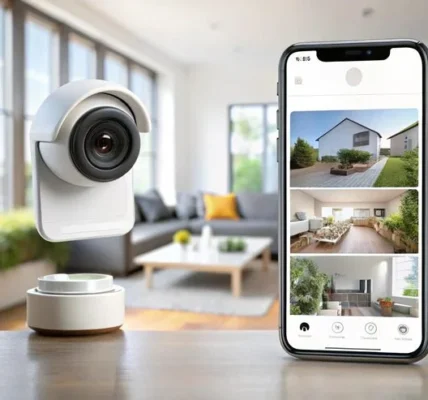


Cybersecurity is now a key need for each user across all fields. Each tap on your phone or click on your screen holds a risk. Cybersecurity is not only for tech teams or big firms. Even small users face harm if they skip safe habits. You may think you are not a target, but threats do not choose size. Each weak point is a chance for harm. You must presently treat each gadget as an entryway that must remain bolted. These seven botches are made more than you think. Avoid them presently and construct a solid divider around your information.
Weak login codes
Logins are the front door to all your files and apps. If that door is weak, any threat can enter. Some users still use their name or date of birth as code. This makes it easier to detect and crack bad bots. One smart code is stronger than ten weak bots. Include numbers and avoid real words. A new code for each app prevents the damage from spreading. Cybersecurity tools also help you create and store code easily. A code tool saves time and adds another wall.
No Update Checks
-
Why are updates important?
Apps need updates to fix bugs and issues. Worms let the bad guys in and do damage. Updates keep your device safe and working well. They also include unused highlights each day to offer assistance so you appreciate utilizing the app more successfully. Standard overhauls make strides in execution, security, and, by and large, client experience.
-
Risks of Skipping Updates
Skipping updates leaves an opening for hackers to enter your device. Strong passwords don’t help if apps have bugs. Lack of updates can slow down your device or stop it from working properly. Your information and work may be at risk.
-
How to stay safe
Check for upgrades at slightest once a week. Also, update your phone, browser, and entire device regularly. One click on update helps prevent many threats quickly.
Open Hotspot
Public networks may seem secure, but they are open to harm. A free network lets malicious bots watch your steps and steal your keys. If you work on an open network, you risk your files and names. Cybersecurity guides warn that public networks are not for work. You should not open mail tools or cash apps on such networks. If you must use one, turn on a strong VPN first. This way, your data is safe even when there is no internet. Always check the net name as well. Some fake traps mimic secure names.

No two-step shield
- Two-step verification adds a lock.
- Most apps have this feature; just enable it.
- Use it for email, banks, and work apps.
Bad file clicks
Most hacks start with a fake email or file that looks real. A note may ask you to check the bill or fix a toll. It feels quick and obvious, but it hides a trap. Once you click, the damage is done. Cybersecurity experts now say this is the biggest way to spread damage. Ask the sender if the file feels closed. Use scan tools that check files before opening them. This adds another lock before you can do the work.
Staff not trained
Cybersecurity isn’t strong if your team isn’t fast. A worker who doesn’t know the rules can break the entire wall. A bad link or fake note can fool even the smartest people. You should train your entire staff with new tips every month. Show fake files and check if they can tell the truth. Ask them to create strong codes and use two-step locks. A smart team is your best resource when the stakes rise. Cybersecurity fails if only one person knows what to do.
No backup plan
Even with all defenders on, damage can still hit hard. If you don’t have a savings plan, work can stop for days. Cybersecurity plans should include both preventive and corrective measures. Use both cloud and hard saves for key files. Choose your own backup tools and check them every week. Never put all your trust in one tool. Have two or more ways to save. If one fails, the other still protects your work.
Cybersecurity Today
Threats grow fast and do not stop or wait. New tricks show up each day to break your wall. Cybersecurity must grow with these tricks to stay useful. You cannot trust old tools to stop new harm. Each update brings new fixes to close weak spots.
Read trusted news sites that share clear and new risk tips. Watch how others stay safe and use their ideas. Make one day each week your check day. Review each app and tool and plan each fix. Keep your setup fresh and full of strong locks. Cybersecurity works best when it moves faster than harm.
The smart setup wins
Smart tools and clear plans will stop most harm before it can grow. Even small steps work well if done with care. Use fresh apps that get fixed each week. Use login codes that are strong and hard to guess. Add two-step locks to guard your top files. Save work on two or more safe places to avoid full loss.
Teach your team how to check each step before they act. One fast click can still cause a huge loss. Cybersecurity grows strong when each small part works with care. Think before you tap or type. Slow steps are smart steps. Check tools often to see if they still work well. Use alarms and check logs to discover weak spots. It just needs to be smart.
Always be forward
- Cybersecurity is a progressing, never-ending endeavor.
- New bugs, bots, and traps are released each day.
- Plan for dangers that do not exist yet.
- Train your group to recognize and react to threats.
- Conduct month-to-month tests of your team’s vigilance.
- Keep all apps overhauled and devices secure to dodge attacks.
Conclusion
Cybersecurity is no longer an insignificant tech buzzword but a regular concern. You ought to utilize solid login codes for each app and alter them regularly. Don’t miss updates for tools or apps. They fix holes that can cause a lot of damage. Stay away from open mesh areas while working. Those links may look safe, but they are not.
Use scan tools to check each file or note before opening it. Add two-step locks on all key logins. Train your staff and practice every month to build strong habits. Save all your work in multiple safe places. A good plan protects your work in case of damage. Cybersecurity is not difficult with care and time.